What Makes a Shoe Worth Wearing All Day
Most folks have a go-to pair of shoes. Then there’s the graveyard of barely worn pairs hiding in closets everywhere. What separates the daily heroes from the dust collectors? A few key factors determine whether a shoe becomes a trusty companion or an expensive regret.
The Foundation of Comfort
Support sounds boring until you don’t have it. The right shoe bends where your foot wants to bend. It stays firm in spots that need backup. Your arch gets a gentle hug, not a death grip or total abandonment. Some shoes feel like walking on boards. Others feel like quicksand. The sweet spot sits somewhere in between.
Cushioning tricks many people. Thick, puffy soles look comfortable in stores but often disappoint later. The smartest padding compresses just enough to absorb shock, then springs back for the next step. It’s like comparing a trampoline to a pile of cotton balls – one keeps its bounce all day while the other goes flat. Shoe companies have become clever with foams that remember their job even after taking a beating for months.
Materials That Work With You
Sweaty feet ruin everything. That’s why breathable materials matter so much. Leather learns your foot’s shape like a favorite baseball glove breaking in. Canvas lets air flow through while staying flexible. Some synthetic stuff now beats nature at its own game, pulling moisture away faster than cotton ever could.
The guts of a shoe tell the real story. Smooth linings stop those angry red marks from forming. Insoles that pop out let you switch things up or add your own orthotic solution. Little touches like a soft collar here, extra padding there, seem silly until hour seven of your workday. Then they become your best friends.
Design That Goes the Distance
Feet do complicated things when you walk. They roll, flex, push off, and land thousands of times daily. Shoes that fight this natural movement cause problems fast. Toes want to spread out when you step. Heels need a firm cup that doesn’t turn into a prison. The front should bend where your foot naturally creases.
Here’s something most people miss: how weight spreads across a shoe changes everything. Some featherweight shoes feel heavy because they dump all the pressure on a few spots. Meanwhile, slightly heavier shoes that spread the load feel like nothing. Your muscles notice the difference even when your brain doesn’t.
The drop from heel to toe affects your whole body. Too steep and your calves work overtime. Too flat and different muscles complain. Most feet prefer something moderate, though runners and walkers often have strong opinions here.
Style Without Sacrifice
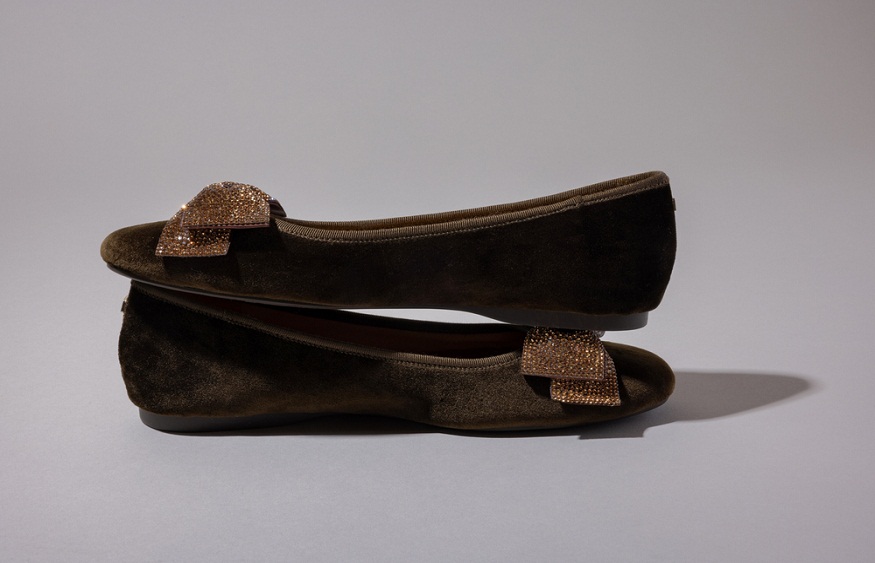
The ugly comfort shoe stereotype died years ago. Sneakers show up in boardrooms now with no one batting an eye. Ballet flats graduated from basic to brilliant. Companies like Birdies figured out how to add real support without killing the classic look. Office shoes conceal padding that running shoes would envy. Choose shoes for your actual life. Don’t pick them for your imagined one. Those beautiful heels aren’t ideal for a two-mile walk to work. Standing on concrete all day isn’t ideal in minimalist sneakers. Match the shoe to the mission and everyone wins.
Conclusion
Shoes that last all day share DNA: decent support, materials that breathe, designs that move with you, and looks that work everywhere you go. They cost more sometimes, sure. But divide that price by the number of happy days you’ll wear them. You’ll suddenly find that they’re the bargain of the century. Your feet haul you around nonstop. Give them tools that help, not hurt. The perfect all-day shoe makes you forget footwear exists. Until someone asks where you got them.